
Fútbol, Football, Soccer – however you say it, it’s truly the world game and it es la vida en Argentina. Este es el pais de Maradona y Messi! And the eternal argument of who is the better player.
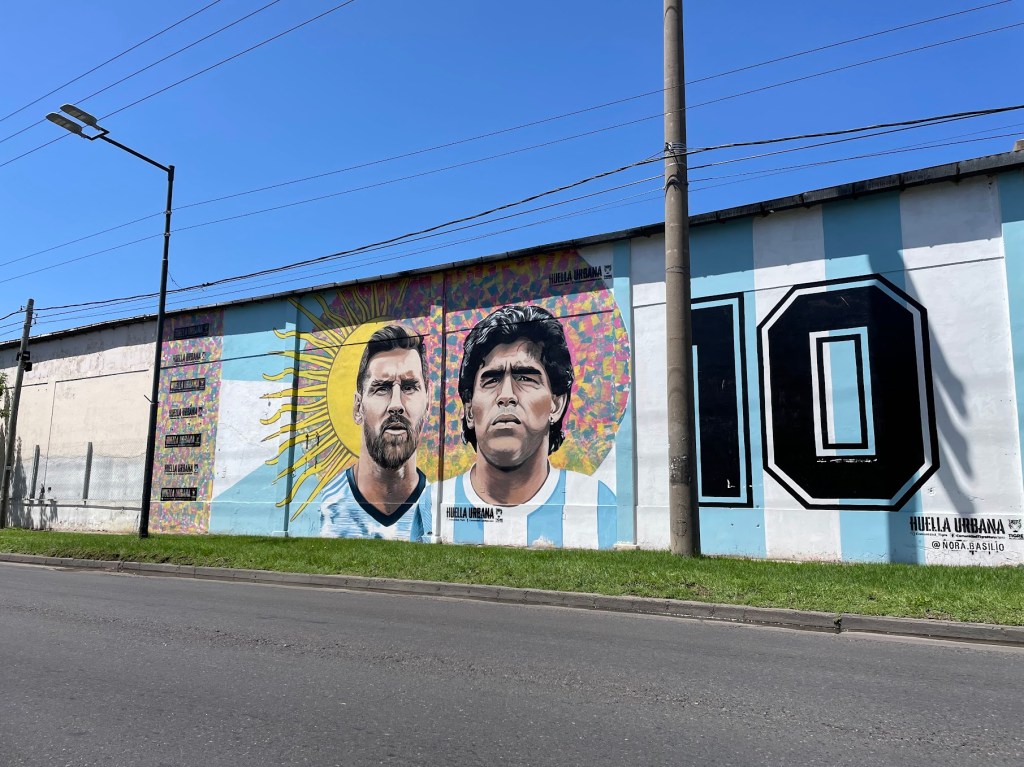
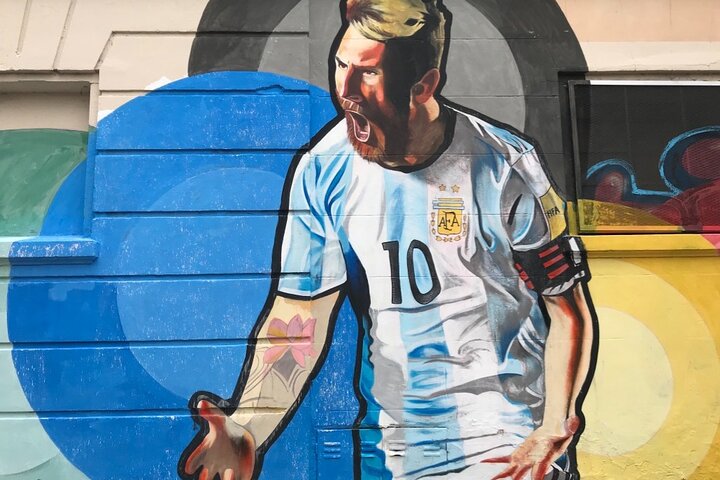
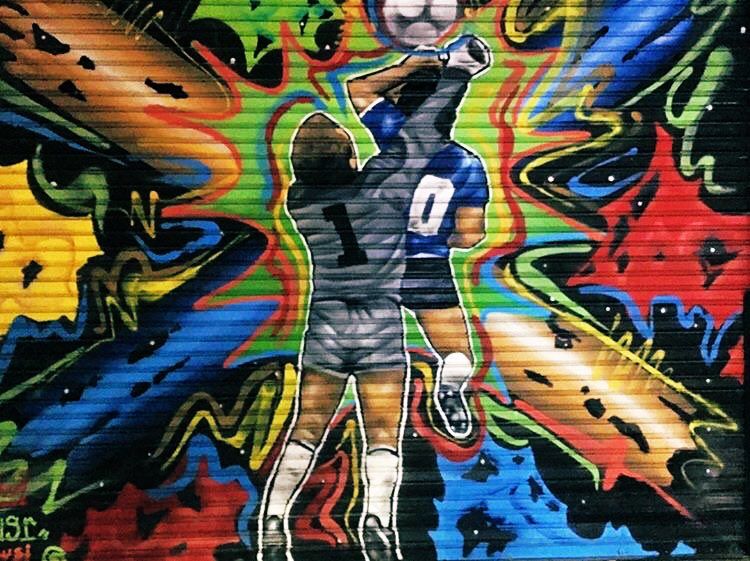
Sunday night is football night (noche de fútbol) with at least 3 or 4 games from la premiera division shown live, back to back on national TV. The football culture is so strong here that TV stations broadcast replays in the off-season (esp. over Christmas / New Year) to stop depression and suicide. Wherever you look here there is no denying that football runs in the blood of Argentines, from the graffiti on the streets, to restaurants covered with memorabilia, people wearing jerseys, jackets, pants, shorts, masks etc. to work and often at work..and much, much more.
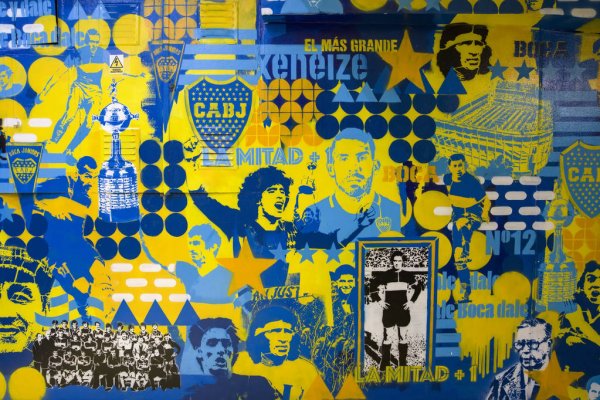


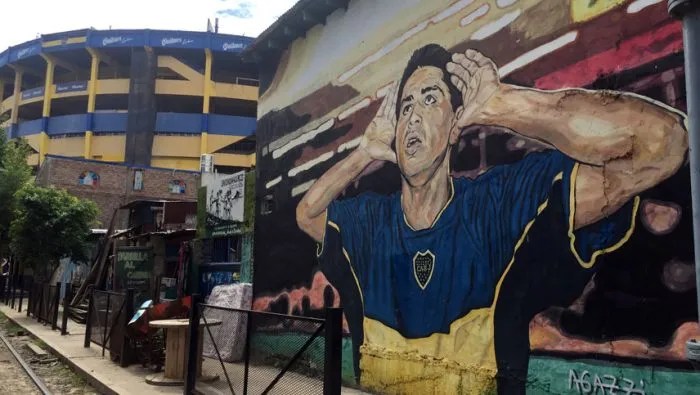


As I found out in one of my earlier trips to Buenos Aires, it’s not wise to wear team colours in opposing neighbourhoods. I was wearing the yellow and blue colours of Boca Juniors in Vicente Lopez a suburb more aligned to River Plate (their mortal enemies) it was just a plain t-shirt and shorts but I was yelled at by a group of guys in a passing car “amargo, amargo”. Roughly translated I was a bitter person for supporting Boca or maybe they though that perhaps I still had a bitter taste in my mouth from the last loss to River.
There is no bigger game in Argentina than the Supercalsico – Boca vs. River. It doesn’t matter if it is a regular season game, a cup game, the final of the Copa Libertadores or whether it is played at La Bombonera or Estadio Monumental, it is huge. It is probably best described as a a war of pure passion, but always a war both on and off the pitch. The atmosphere is wild from start to finish and unlike anything we Aussies will ever experience at any form of sporting event – by the way the supporters game day starts some hours before hand in the stands and can extend out onto the streets into the night especially if their team wins. In recent years only home team supporters have been allowed into games (this is true for all games in Argentina) as there was a lot violence inspired by hardcore / radical fans (hooligans) and injuries to players, the public & law enforcement were becoming a far too common of an occurrence. Most of this violence to be fair was outside the stadiums as the stadiums themselves have separate entrances & seating sections for opposition players and fans. The only exception to this rule is for visiting international sides. Never the less it is an ugly side of the game that the authorities are rightfully trying to stamp out. The most recent crowd violence incident that blew up on the international stage was when the final of the 2018 Copa Libertadores second leg between Boca and River had to be cancelled when the Boca players were attacked in their bus outside the Estadio Monumental (River’s home ground). The game was eventually moved to a neutral venue in Spain (the Santiago Bernabéu) some weeks later.
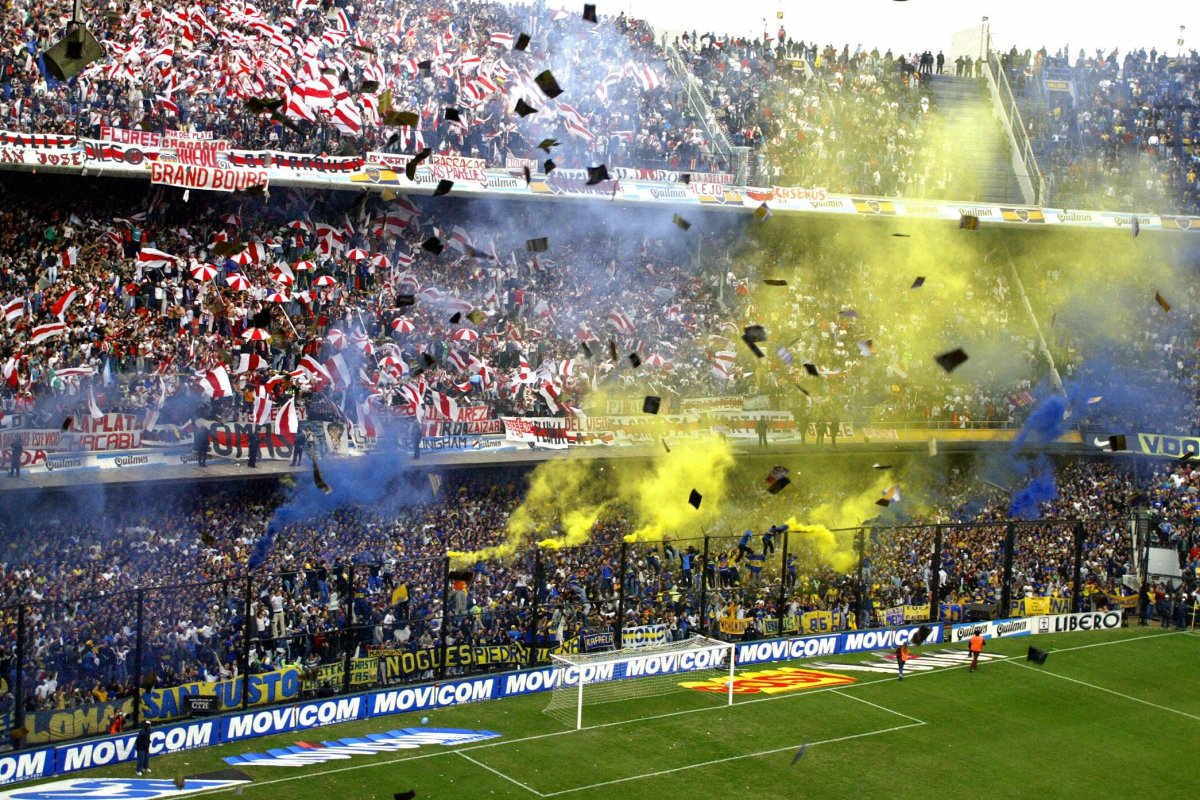
I toured both La Bombanera and Estadio Monumental back in Dec. 2014 and learnt the history of both clubs. They were both originally located in the same area of the city where Boca is today. A game was played to decide who would relocate their club to another area of Buenos Aires – Boca won this game and consequently River had to move. A second game was played to decide who would have to change their colours as both teams originally wore white and red jersey. Boca lost this game and then chose the oro y azul (gold and blue) colours we are familiar with today. Why those colours? The decided to take the colours from the flag of the first ship they saw entering the port of Buenos Aires which is near the club and that ship happened to be from of all places Sweden! Fun fact, the reason that Boca’s stadium La Bombonera is flat on one side and not completely round is that there are River Plate supporters that have owned houses on that side for generations and refuse to sell to the club so that they can expand and complete the stadium.
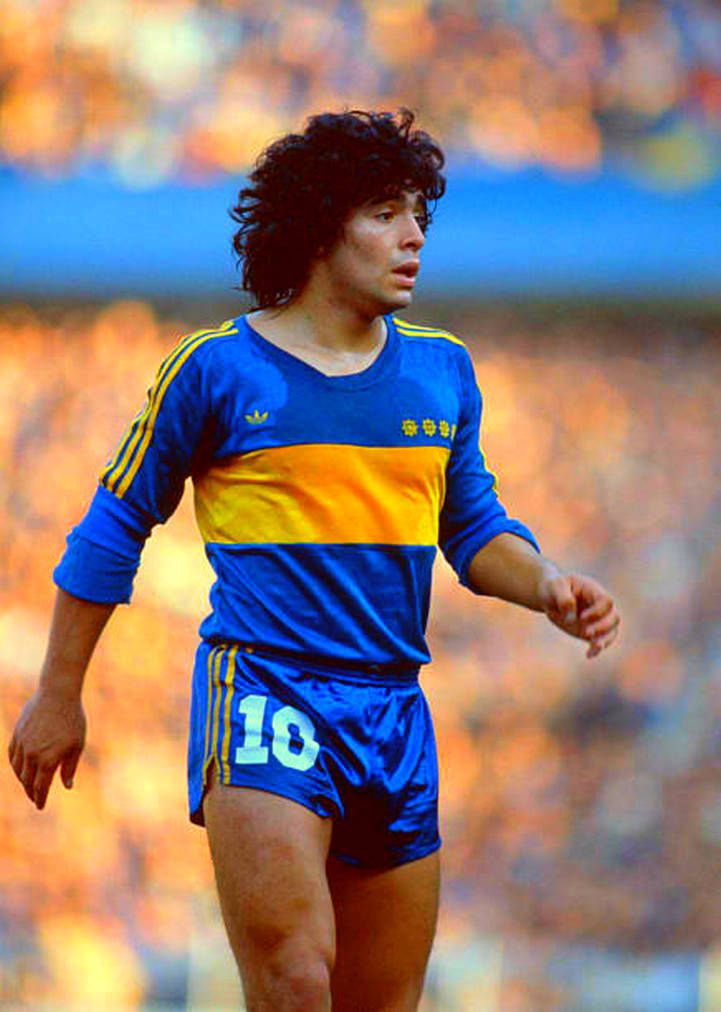


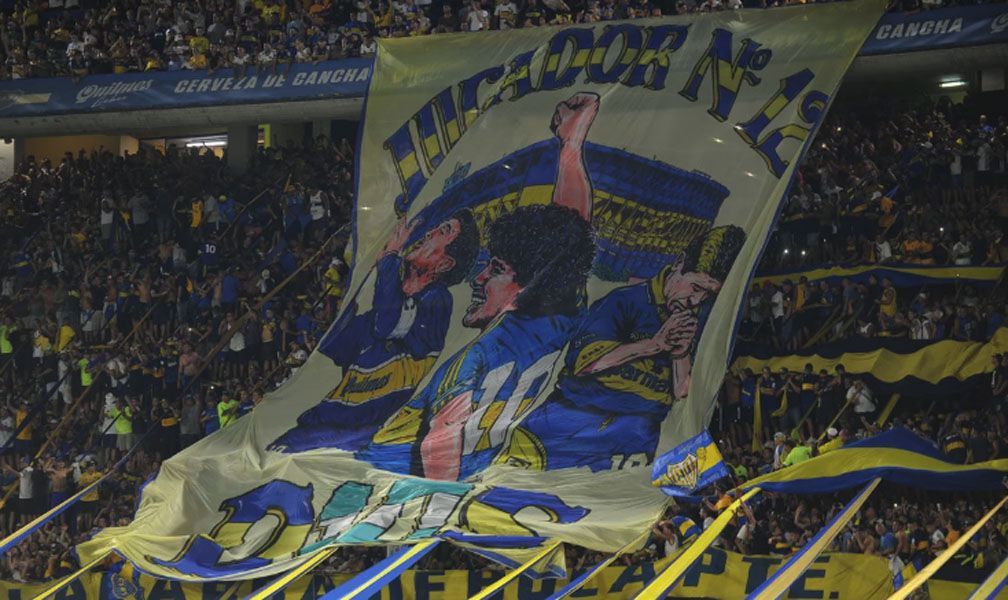
My extended family here were determined to make me join their ranks as a River supporter, but unbeknown to them the family’s youngest member (my brother in law) Pato had already pretty much converted me to Boca in Australia when he lived with us for a while. Plus Diego Maradona played for Boca…enough said. Alfie unfortunately for me was signed up at birth by his aunty Silvi to be a River supporter – she is an accountant at the club and sneakily asked me for photos of his hospital ID bracelet the day he was born.
Today though we all find some harmony in supporting a local team based in the area where the family grew up (and still mostly reside) that up until this last year played in the 2nd division. They recently were promoted into the premier league and now play along side Boca and River…Vamos Platense, Vamos al Calamar!



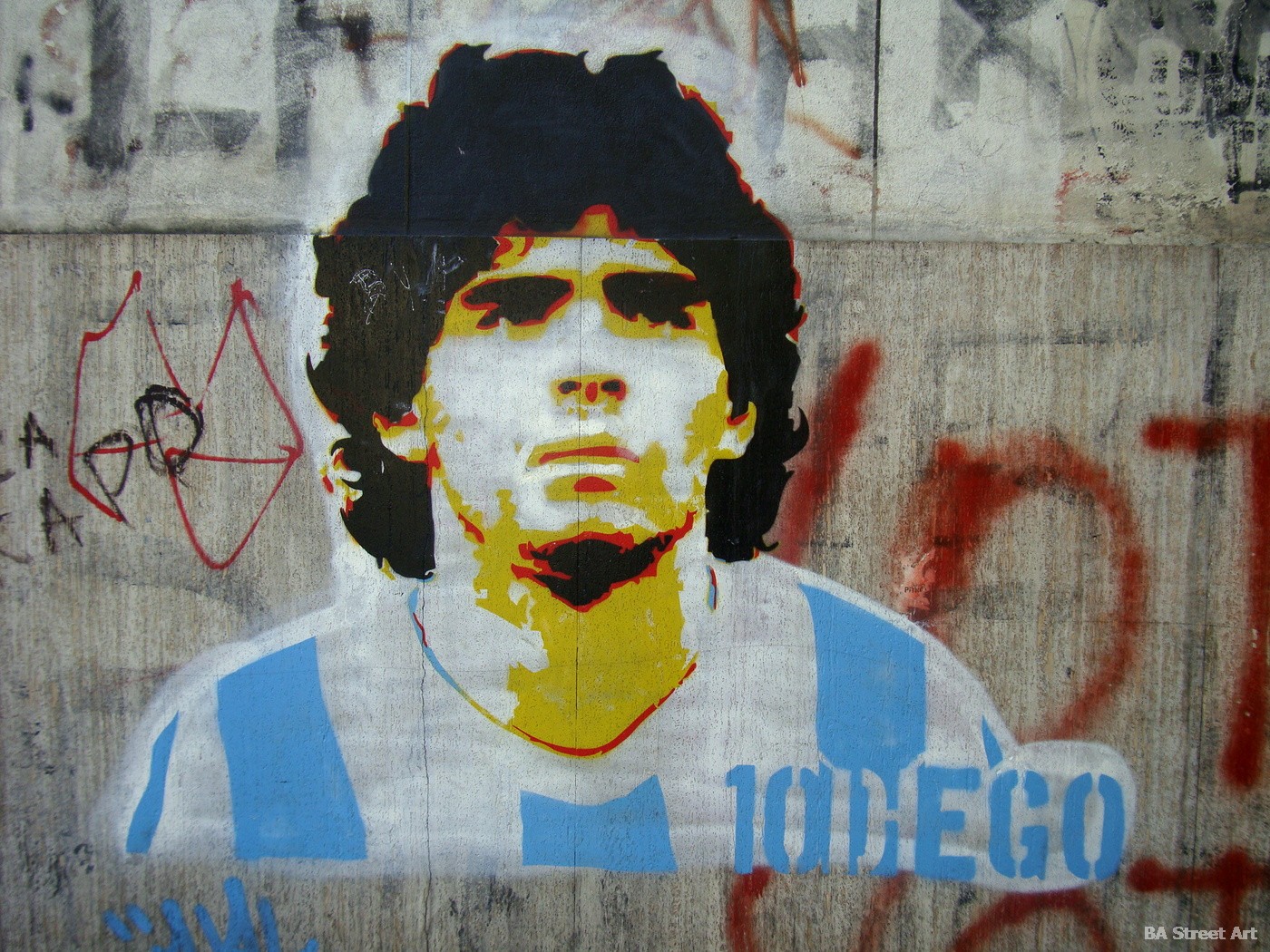
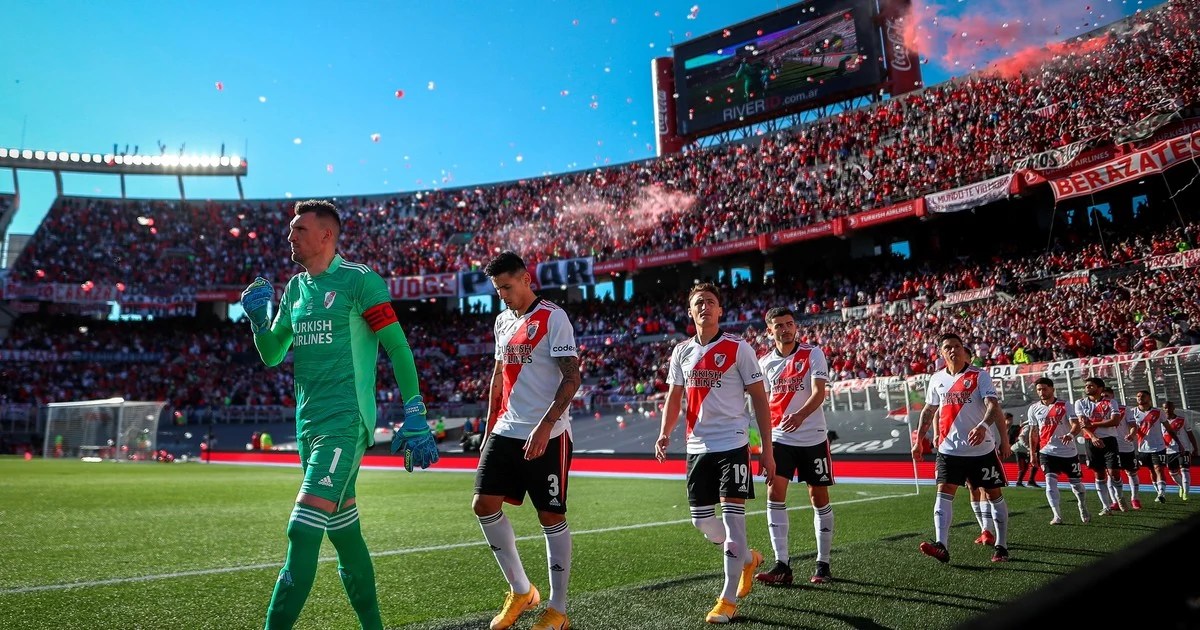
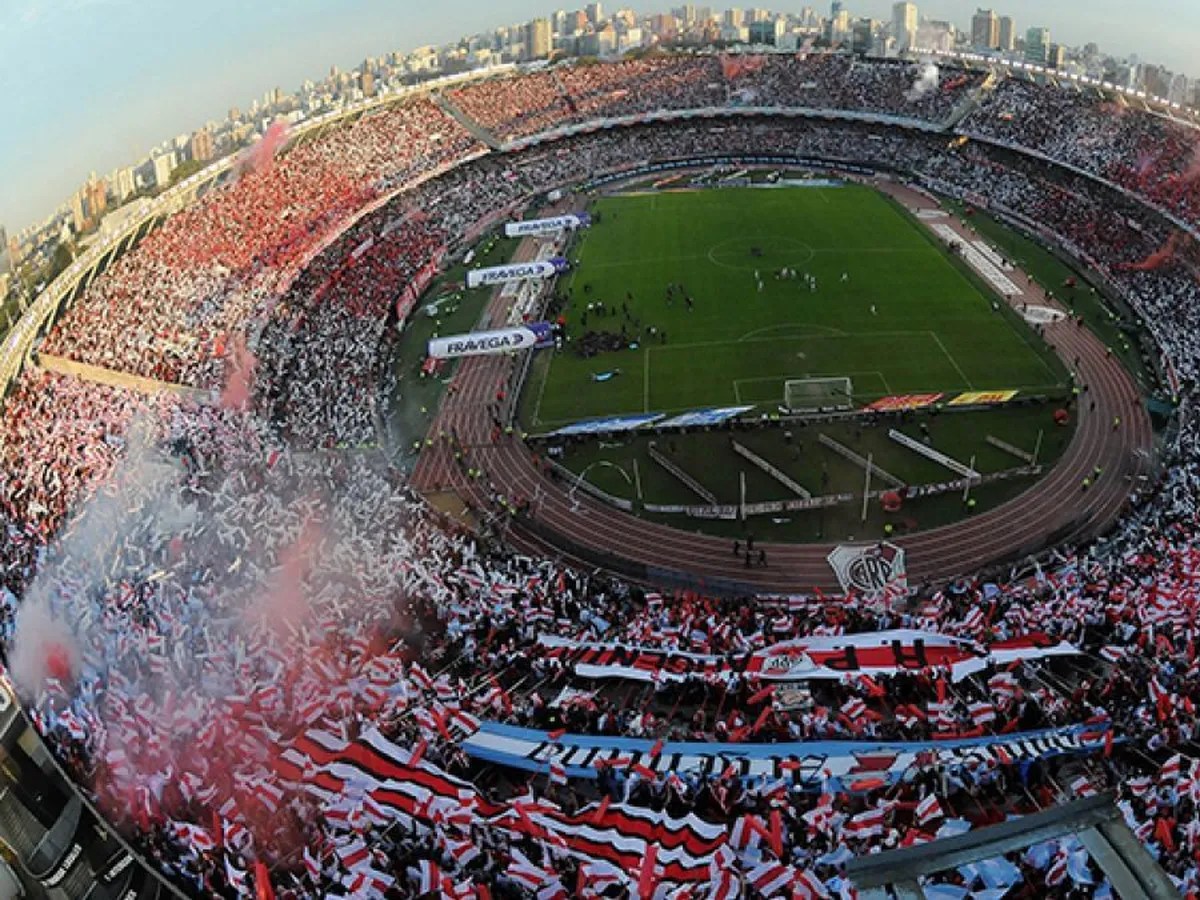
It took me 7 years to see an actual football match live here in Argentina as I was always visiting at Christmas when there are no games being played. In 2019 I watched River Plate play at Estadio Monumental. Although it wasn’t a Superclasico game, the atmosphere was still amazing and something that you need to experience if you are a football fan. I’d like one day to go to La Bombonera – La Abliceleste (the national team) are playing Venezuela there tomorrow night in the final round of World Cup qualifying but I was too late to get tickets. I’ve seen Lionel Messi play live for La Albiceleste in 2015 (in Houston) in a World Cup qualifier so I’ve ticked that box. But I will forever regret not seeing Diego Maradona live when he played the Socceroos in Melbourne at the MCG back in 1994. As you can see from the street art above, his status as a (football) god amongst men is unquestioned in Argentina; he will never be forgotten.

 3 meses en Argentina
Leave a comment